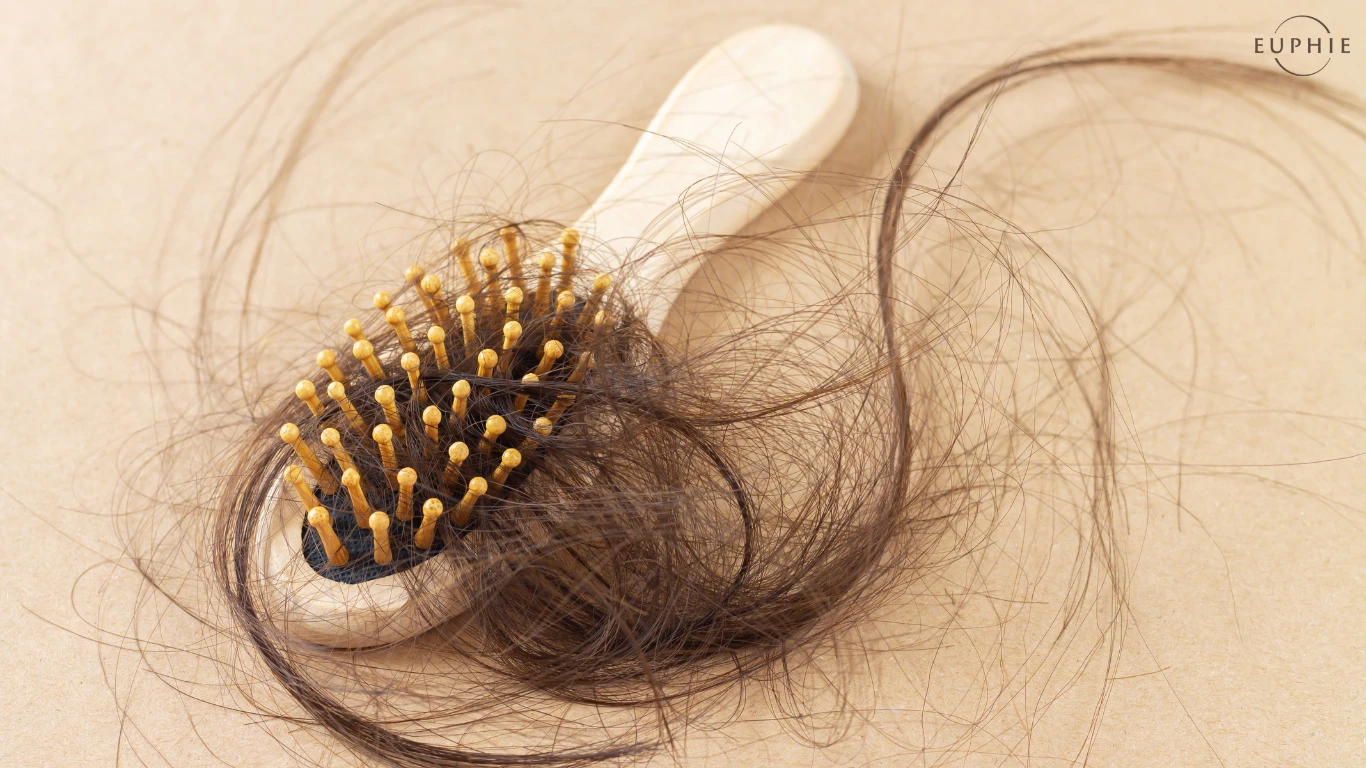
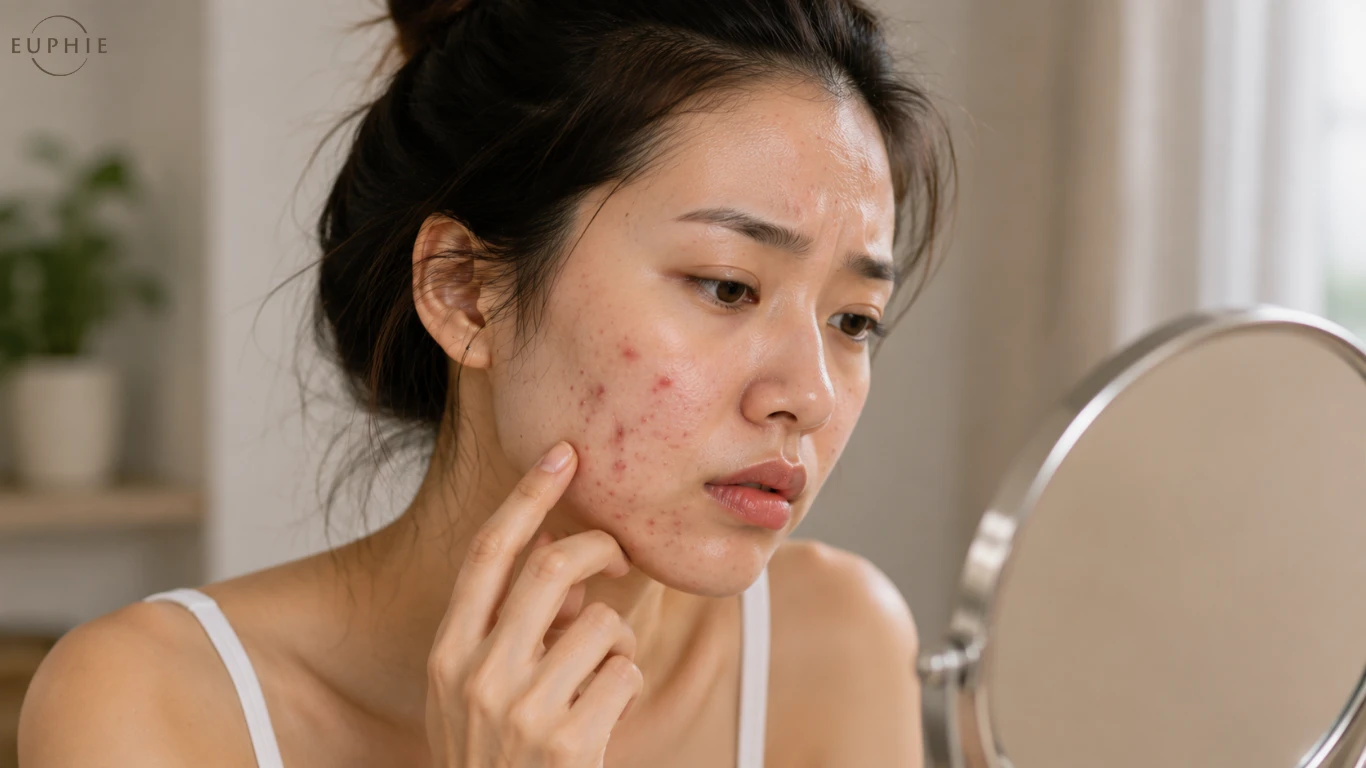
Platelet-Rich Plasma (PRP) therapy has gained attention for its ability to stimulate natural healing and regeneration. It is commonly used for skin rejuvenation, hair loss, and medical conditions such as joint pain. However, questions often arise about its legality, safety, and effectiveness.
PRP is derived from your own blood to promote healing. Plasma, the liquid portion of blood, transports essential nutrients, while platelets contain growth factors that stimulate tissue repair, collagen production, and cell regeneration.
PRP is widely used in aesthetic and medical treatments due to its regenerative properties. Here’s a breakdown of its common applications:

Beyond aesthetics, PRP is actively researched for its role in regenerative medicine, including:
PRP is generally safe since it is derived from your own blood, reducing the risk of allergic reactions or rejection. However, it may not be suitable for individuals with:
PRP treatment starts with a simple blood draw, usually from your arm. The blood is spun in a centrifuge to separate the platelet-rich plasma. Once concentrated, the PRP is injected into the treatment area with fine needles. Some procedures may also include microneedling to enhance absorption and results.
Results vary depending on the treatment area and individual response. For skin rejuvenation, visible improvements typically appear within a few weeks as collagen production increases. Hair restoration results may take three to six months, as hair follicles go through their natural growth cycle.
PRP is generally safe since it uses your own blood, reducing the risk of allergic reactions or rejection. However, it must be performed by trained professionals to minimise infection risks and ensure proper handling.
Since PRP is derived from your own blood, side effects are minimal. Some may experience temporary redness, swelling, or mild discomfort at the injection site. Bruising and slight tenderness can occur but typically subside within a few days.
PRP can be combined with other aesthetic treatments to enhance its effects and achieve even better results, such as:

Islamic scholars generally consider blood and blood products as impure (najis), prohibiting their use in medicine unless necessary. The use of PRP in aesthetics may not align with Islamic rulings, as its primary purpose is cosmetic. However, for medical conditions such as injury and scar recovery, some scholars permit its use. Consultation with a religious authority is recommended for guidance on this matter.
PRP treatment costs depend on various factors, including the treatment area and the number of sessions needed. Since each case is unique, we recommend reaching out to us for a personalised consultation. Contact us directly for more information on pricing and available treatment options.