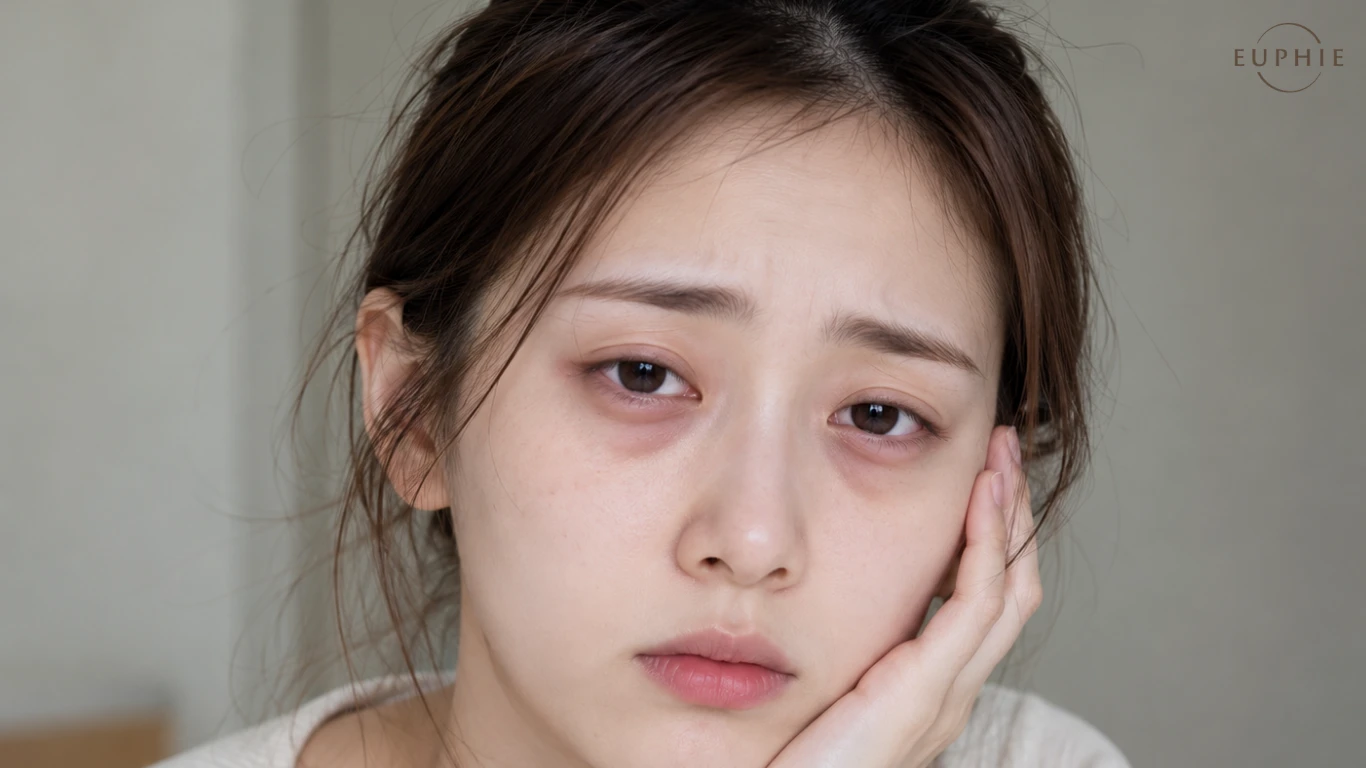
You’ve been diligent. You cleanse, you apply your serum, you never skip SPF. And yet the skin looking back at you in the mirror tells a different story, one of fatigue, unevenness, or a dullness that your routine simply cannot seem to resolve.
The missing piece is usually not a product. It’s the life being lived around the routine.
Your skin is not just a surface. It is a living organ, and it responds to everything happening inside your body. Stress, poor sleep, what you eat, and how you move. Your skin picks up on all of it. Not just in how you feel, but in how you look. These are biological changes, not just cosmetic ones.
Knowing this is not about making you feel bad for skipping sleep or having a stressful week. It is about understanding what your skin actually needs, so the care you put in works harder and goes further.

When the body is under stress, whether from work, lack of rest, or a busy lifestyle, it releases a hormone called cortisol. In small amounts, this is normal. But when stress continues for a long time, it can start to affect the skin.
Long-term stress may weaken the skin barrier, making the skin more sensitive, easily irritated, and less able to retain moisture. This can leave the complexion looking dry, dull, or tired.
about more : Is PRP Actually Safe? Everything You Need to Know Before Your First Treatment
In those who are acne-prone, elevated cortisol triggers increased sebum production, which often explains why a stressful period is followed by a sudden flare.
Stress can also slow down the skin’s natural repair process. When the skin does not renew as efficiently, it may look dull, uneven, or less radiant, even when skincare products are being used.
Over time, this can contribute to visible signs of ageing such as fine lines, rough texture, loss of firmness, and a tired-looking complexion.
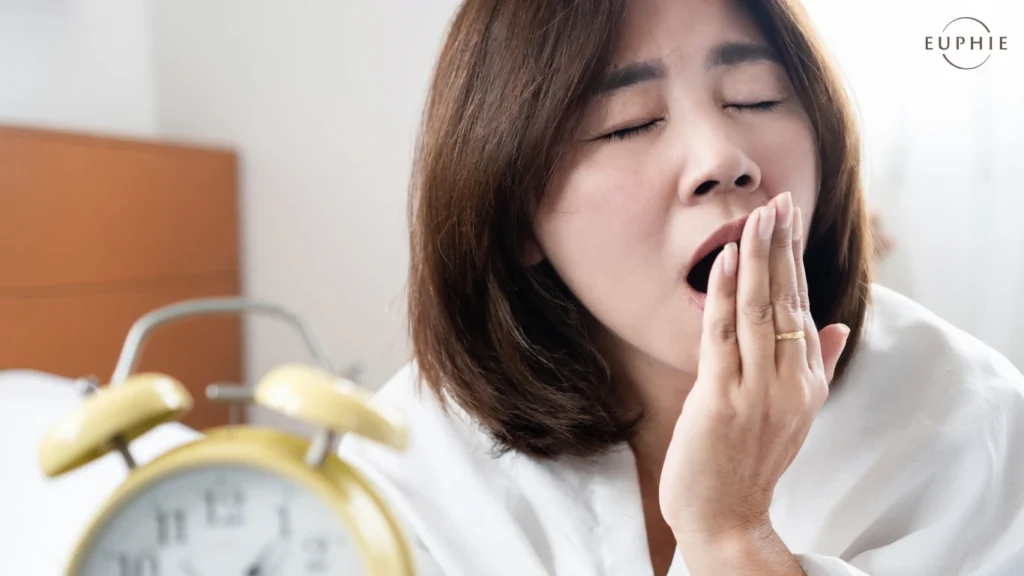
Sleep is not just rest. While you sleep, your skin goes into repair mode.
During deeper stages of sleep, the body supports cell renewal, collagen production, blood circulation, and skin recovery. This is why good sleep can help the skin look fresher, calmer, and more radiant.
When sleep is insufficient or poor in quality, the skin may not repair itself as effectively. Over time, this can make the complexion look dull, tired, dry, or more sensitive. The eye area is often the first to show signs of poor rest because the skin there is thinner and more delicate. This may appear as puffiness, dark circles, or a heavy-looking eye area.
Seven to nine hours of quality sleep is not indulgence. For the skin, it is fundamental maintenance.
Beyond stress and sleep, daily habits can slowly affect how your skin looks and feels.
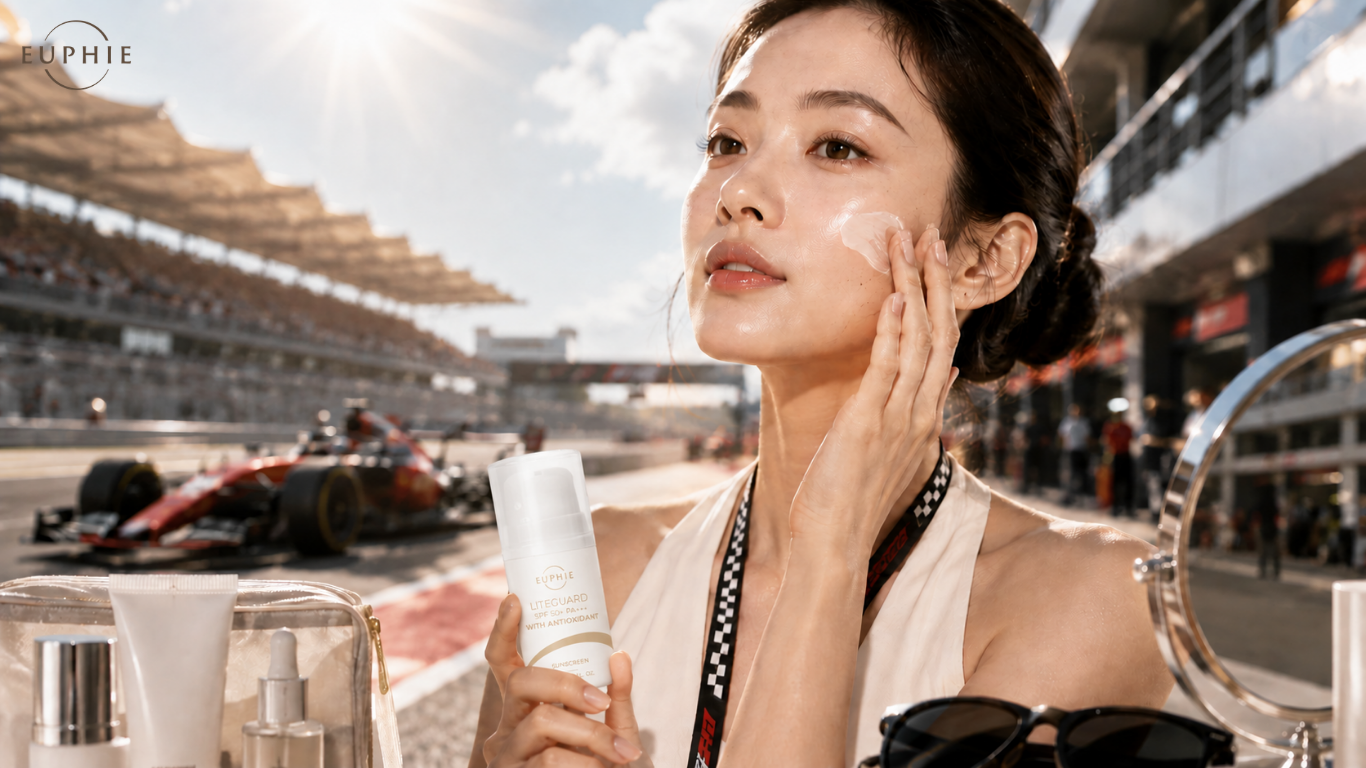
Sun exposure without adequate protection remains one of the most significant contributors to premature ageing in Malaysia’s climate. UV radiation degrades collagen and elastin, accelerates pigmentation, and generates the kind of oxidative damage that shows up years later as uneven tone, fine lines, and a loss of luminosity.
Continue Reading : Skin Elasticity and Ageing: What Happens and What You Can Do
Diet plays a meaningful role as well. Diets high in refined sugar trigger a process called glycation, in which sugar molecules bind to collagen fibres and make them rigid and brittle, directly contributing to the loss of elasticity. Alcohol and excess caffeine are dehydrating, and their effects show in the skin’s texture and tone.
Inadequate hydration, extended screen time with its blue light exposure, air conditioning that depletes atmospheric moisture, all of these are quieter contributors that, over time, accumulate into visible skin fatigue.