Thinking about aesthetic treatments but unsure if your doctor is qualified? This guide explains what LCP certification means, why it matters, and how to verify your doctor’s credentials.
LCP stands for “Letter of Credentialing and Privileging.” It’s a Malaysian Ministry of Health credential for doctors trained in specific procedures.
In simple terms: an LCP proves a doctor has studied, trained, and been tested on how to safely perform that procedure. They’ve specialised beyond basic medical training.
Different procedures need different LCPs. A doctor with an LCP for injectables doesn’t automatically have one for laser treatments; these are separate qualifications.
Choosing an LCP-certified doctor reduces risk.
Aesthetic procedures may involve laser energy, skin treatments, or other medical techniques. When performed by qualified professionals, risks can be minimised. When performed by untrained individuals, complications can occur.
An LCP-certified doctor has:
LCP ≠ Guaranteed results. Qualifications ensure safety. Results depend on your skin type, expectations, and how your body responds.
LCP ≠ Zero complications. Any procedure carries some risk. An LCP means your doctor knows how to manage risks, not eliminate them.
LCP ≠ Good communication. Technical qualification is separate from bedside manner. Both matter.
Ask directly: Call the clinic and ask which procedures their doctor holds LCPs for.
Check MOH register: Contact the Ministry of Health Medical Practice Division with the doctor’s name to verify credentials.
Look online: Check whether the clinic provides information about its doctors’ qualifications and credentials. If this information isn’t available on the website, contact the clinic directly to verify the doctor’s MOH registration and relevant LCP certification.
Ask for proof: Request copies of MOH registration and LCP certificates. Confident clinics provide this readily.
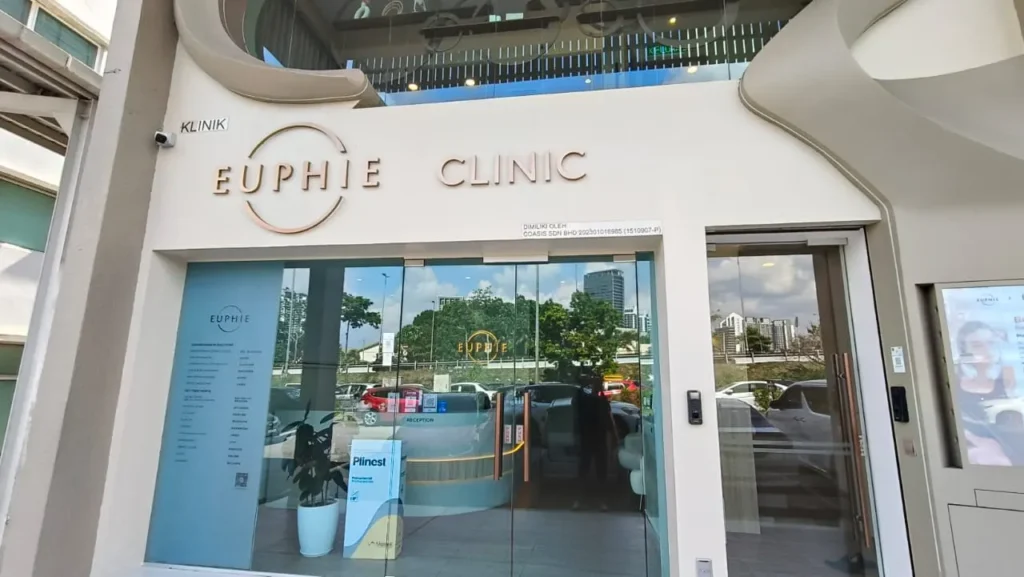
A qualified doctor in a poorly maintained clinic, with substandard equipment or weak infection control, won’t deliver safe results.
Look for:
Honest reviews: What do patients say? Do they discuss limitations or just upsell?
Clean, professional environment: Setting matters as much as the doctor
Modern equipment: Newer, well-maintained equipment from reputable brands is safer
Sterilisation protocols: Ask how they sterilise equipment and what standards they follow
Time for consultation: Do they explain risks and discuss your expectations?
About the doctor:
About the procedure:
About aftercare:
About the clinic:
A good clinic welcomes these questions.
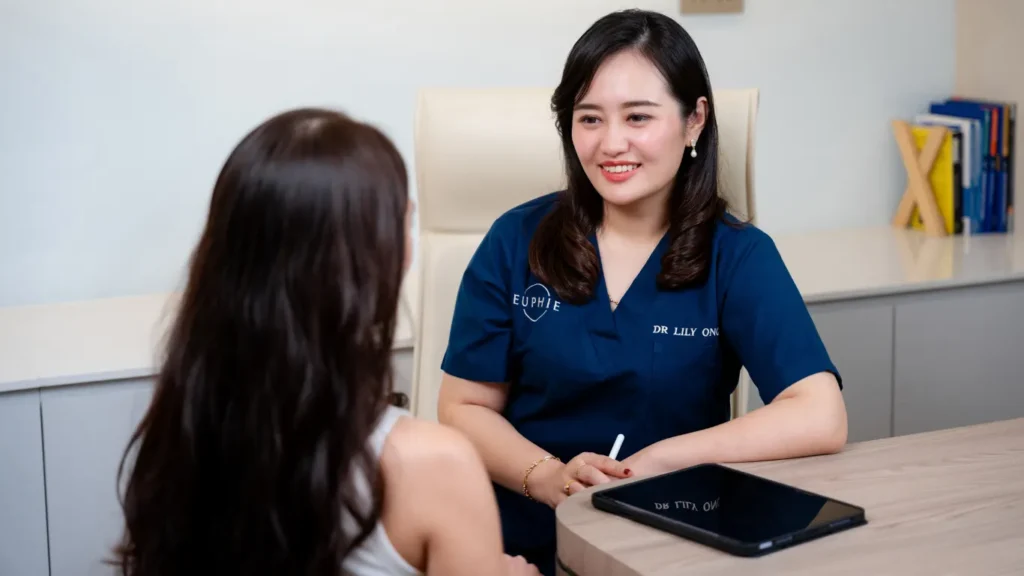
Our doctors hold MOH registration and LCP certifications. We follow Malaysian Ministry of Health Guidelines on Aesthetic Medical Practice.
We focus on honest consultation: understanding your goals and only recommending what’s right for you.
Our clinic meets Malaysian healthcare standards for cleanliness, equipment, and sterilisation.
A medical doctor who completed formal training and passed a Ministry of Health assessment for a specific procedure like injectables, lasers, or chemical peels.
LCP = “Letter of Credentialing and Privileging.” It’s a Ministry of Health credential for doctors trained in a particular procedure. It’s separate from a general medical license.
Ask the clinic, contact MOH Medical Practice Division with the doctor’s name, or ask for copies of their MOH registration and LCP certificates.
Be a registered medical doctor with the Malaysian Medical Council, then complete specific procedure training and pass a Ministry of Health assessment.
Yes, they must hold MBBS or equivalent. But MBBS alone doesn’t qualify them for aesthetic procedures—they need additional training and LCP for each procedure.
Only registered medical doctors with MBBS or equivalent, registered with the Malaysian Medical Council. Nurses, aestheticians, or paramedics cannot use the title.
Not if you want to perform procedures legally. Only medical doctors can do injectables, lasers, or chemical peels. Non-doctors taking aesthetics courses cannot legally perform procedures.
Complications can occur with any aesthetic treatment. If you experience any symptoms or warning signs explained by your doctor before the procedure, contact the clinic immediately. Our team will assess your concerns and provide appropriate advice and treatment to manage any potential complications.
Not necessarily. Some have lower overheads. Always verify qualifications regardless of price.
That’s a red flag. A good clinic welcomes questions about qualifications, risks, and aftercare. Choose elsewhere.